
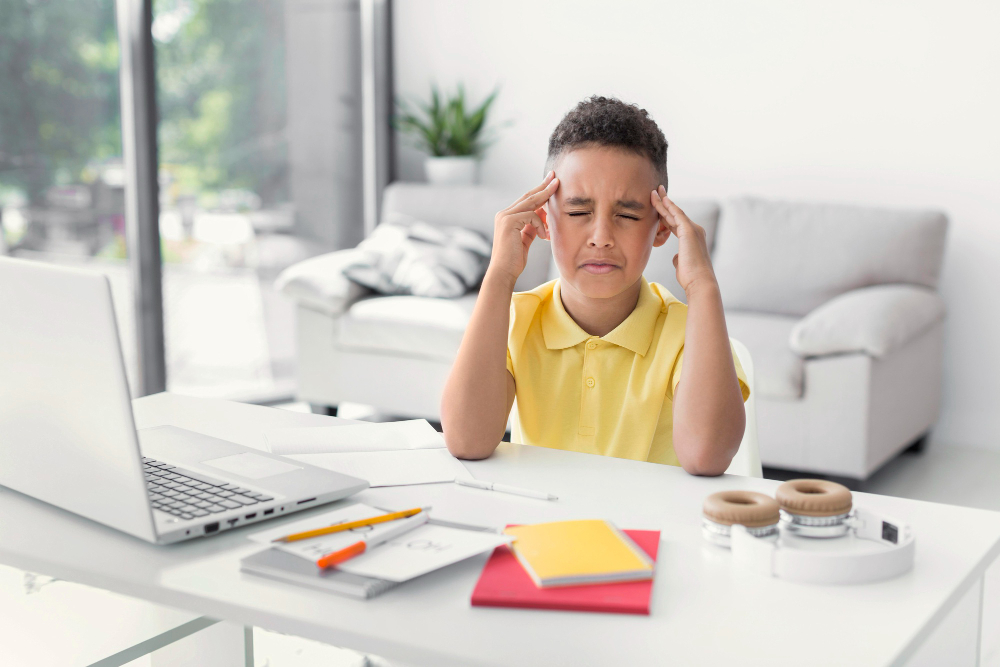
Many children get headaches. While most are mild, some childhood headaches can signal a bigger problem. Parents often wonder about serious headaches in children and the warning signs of headaches in kids. So, when should you worry about headaches in children? Understanding the signs can help you know when to seek help.
Common Types of Childhood Headaches
Children can have different types of headaches. For example, some are mild and go away quickly. Others may last longer or happen often. Knowing the type can help you and your doctor find the best care.
Typical Causes of Headaches in Children
Headaches in children can start for many reasons. Sometimes, the cause is simple and easy to fix. Other times, it may be more serious. Understanding the cause can help you manage your child’s pain.
Warning Signs: When Is a Headache More Than Normal?
Most headaches in kids are not dangerous. However, some signs mean you should call your doctor right away. Early action can help prevent serious problems. According to the CDC, you should watch for these warning signs:
For example, if your child has any of these symptoms, seek help from your doctor or pediatric neurologists near you.
How Doctors Diagnose Serious Headaches in Children
Doctors use several steps to find out what is causing your child’s headaches. First, they will ask about your child’s health and headache history. Next, they will do a physical exam. Sometimes, doctors may order tests to check for serious causes. These may include:
Usually, most children do not need many tests. However, if your child has warning signs, more tests may be needed.
Treatment Options for Childhood Headaches
Treatment depends on the type and cause of the headache. In many cases, simple steps can help. For mild headaches, rest and fluids are often enough. However, if headaches are frequent or severe, your doctor may suggest other treatments.
Always talk to your doctor before giving any medicine to your child.
Tips for Parents: Preventing and Managing Headaches
Parents can help prevent headaches in children with a few simple steps. While not all headaches can be avoided, these tips may lower the risk:
If you are worried about your child’s headaches, do not wait to ask for help. Early support can make a big difference. Consult Dr.Raghavendra H now if your child always complaints about headache.