
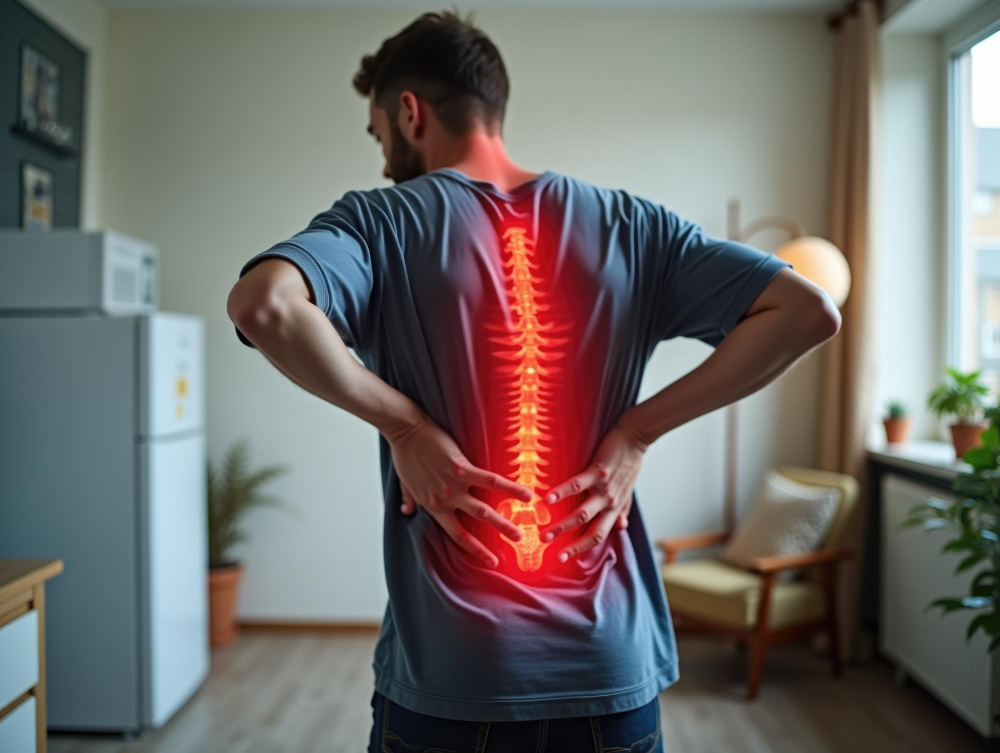
What Is Low Back Pain?
Low back pain is a common health issue. In fact, almost everyone feels it at some point. Sometimes, the pain is mild and goes away quickly. Other times, it may last longer or feel severe. While most cases are not serious, low back pain can sometimes point to a problem with the spine. For this reason, knowing the signs of serious back pain is important for your spine health.
Common Causes of Low Back Pain
Many things can cause low back pain. Often, it is due to muscle strain or poor posture. However, there are other causes too. For example, injuries or certain health conditions can also lead to pain.
Sometimes, the pain may come on suddenly. Other times, it builds up slowly over days or weeks.
When Low Back Pain Signals a Spine Problem
Usually, low back pain is not dangerous. Yet, there are times when it can signal a spine problem. For instance, if the pain does not improve or gets worse, it may be a sign of a deeper issue. Additionally, pain that spreads to your legs or feet may point to nerve involvement. According to the CDC, pain with numbness or weakness can mean a nerve is being pressed by a disc or bone.
Spine health is important for your overall well-being. Therefore, it is wise to notice changes in your pain or new symptoms.
Warning Signs to Watch For
Some signs mean you should see a doctor for back pain right away. These warning signs suggest a possible spine problem or nerve issue. Early care can help prevent more serious problems.
For example, neurological symptoms of back pain like numbness or weakness need quick attention. If you notice these, see a doctor for back pain as soon as possible.
How Doctors Diagnose Spine-Related Back Pain
Doctors use several steps to find the cause of low back pain. First, they ask about your symptoms and medical history. Next, they perform a physical exam to check your spine and nerves. Sometimes, they may order tests to get more details.
With these tools, doctors can find out if your pain is due to a spine problem. This helps them choose the best treatment for you.
Treatment Options for Spine-Related Low Back Pain
Treatment depends on the cause and severity of the pain. In many cases, simple steps can help. However, some people may need more advanced care. According to the World Health Organization, most people improve with non-surgical treatments first.
For example, surgery may be needed if there is a herniated disc pressing on a nerve. Still, most people do not need surgery for low back pain.
Lifestyle Tips for Managing and Preventing Low Back Pain
Good habits can help you manage and prevent low back pain. Even small changes can make a big difference. For instance, regular exercise keeps your back muscles strong and flexible. In addition, keeping a healthy weight reduces stress on your spine.
Because prevention is key, these tips can help you keep your back healthy and lower your risk of future pain.